Why Lightweight Aluminum Castings Reduce Costs in Production
Checking Out the Innovative Methods Used in Modern Aluminum Foundries
Modern aluminum foundries are undergoing a significant makeover through the adoption of innovative strategies. Advanced casting methods, wise automation, and lasting methods are improving production processes. These innovations not just enhance performance however likewise address environmental issues. As the industry advances, the combination of electronic modern technologies plays a crucial role. Comprehending these adjustments is essential for realizing the future of aluminum production and its ramifications for international markets. What lies ahead in this dynamic field?
Advanced Casting Techniques
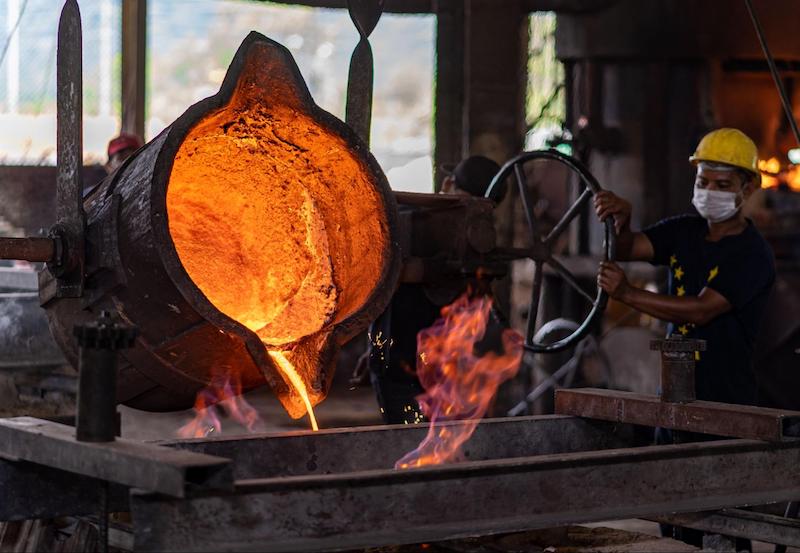
Furthermore, innovations in thermal control and mold design have added to even more consistent casting outcomes. These advancements permit for far better control of cooling rates, reducing flaws and boosting mechanical homes. Consequently, suppliers can create light-weight yet long lasting elements, fulfilling the boosting demands of various industries, including automobile and aerospace, for high-performance aluminum components.
Smart Automation and Robotics
The combination of wise automation and robotics in aluminum foundries marks a significant advancement in producing efficiency. These innovations enable accuracy and consistency in production processes, significantly lowering human mistake and improving safety. Automated robot systems take care of repetitive jobs, such as molding, putting, and cooling, enabling human operators to focus on even more complicated responsibilities that require essential reasoning and oversight.
Furthermore, ai-driven analytics and wise sensors give real-time information surveillance, helping with predictive upkeep and lessening downtime. This brings about maximized source allowance and improved power intake, contributing to overall sustainability in production.
Additionally, the flexibility of robot systems permits fast modifications to changing manufacturing demands, improving adaptability in production. As foundries progressively embrace these advanced modern technologies, they not only enhance functional performance however likewise place themselves as leaders in innovation within the steel casting market.
Additive Manufacturing in Foundries
Transforming traditional manufacturing techniques, additive production is changing aluminum foundries by allowing the creation of complicated geometries that were formerly unattainable. This technique enables the layer-by-layer building of parts, substantially reducing material waste and reducing production times. Therefore, foundries can generate complex styles that improve performance and capability, dealing with the growing demands of various sectors.
Furthermore, additive production assists in quick prototyping, allowing designers to test and iterate layouts rapidly. This agility not just accelerates the development cycle but likewise assists in identifying possible concerns before full-scale manufacturing begins. The combination of innovative products and processes in additive manufacturing additionally boosts the mechanical residential properties of aluminum components, advertising development in item layout. Aluminum foundries that adopt these methods position themselves at the forefront of sector innovations, ensuring competition in an ever-evolving market landscape.
Sustainable Practices and Recycling
Sustainable practices in aluminum foundries are significantly concentrated on boosting reusing procedures and adopting eco-friendly casting strategies. These technologies aim to lower waste and power consumption while taking full advantage of using recycled products. As the industry advances, the assimilation of sustainability into production techniques ends up being essential for fulfilling environmental criteria and customer needs.
Recycling Process Improvements
As industries increasingly recognize the environmental influence of waste, aluminum foundries are taking on innovative recycling procedure enhancements to boost sustainability. These advancements concentrate on reducing energy intake and making best use of material recovery. Numerous foundries are implementing closed-loop systems that reuse scrap aluminum produced during production, decreasing waste and minimizing the demand for virgin materials. Advanced arranging modern technologies, such as automated optical sorting, boost the splitting up of different aluminum qualities, increasing the efficiency of the recycling procedure. Additionally, some foundries are making use of hydrometallurgical approaches to recoup aluminum from complex waste streams. By incorporating these improvements, aluminum foundries not just add to a circular economic climate but additionally reduce their carbon footprint, aligning with worldwide sustainability objectives.
Eco-Friendly Casting Techniques
While standard casting approaches frequently involve significant power intake and material waste, aluminum foundries are progressively embracing environmentally friendly casting strategies that focus on sustainability. Techniques such as low-pressure die casting, which lessens air exhausts, and the usage of water-based mold and mildew launches add to minimized ecological effect. In addition, advancements in 3D printing technology enable the development of complex mold and mildews with much less product waste. Many foundries are likewise executing closed-loop systems that recycle water and aluminum scrap, additional lowering resource usage. By embracing renewable resource resources, such as solar and wind power, these facilities boost their sustainability initiatives. In general, the fostering of environmentally friendly practices in aluminum casting not just benefits the atmosphere however also promotes financial efficiency and technology within the sector.
Improved Quality Assurance Steps
Enhanced quality control procedures in aluminum foundries are progressively dependent on sophisticated assessment innovations and real-time tracking systems. These developments make it possible for producers to spot issues early and assure regular item high quality. By integrating these devices, foundries can noticeably improve their operational performance and lower waste.
Advanced Examination Technologies
Advanced examination technologies play a vital role in guaranteeing the quality and integrity of aluminum castings. These innovative approaches include non-destructive screening (NDT) strategies such as ultrasonic testing, radiographic screening, and swirl present inspections. Each technique allows for in-depth assessment of spreadings without jeopardizing their architectural honesty. Advanced imaging methods, such as computed tomography, provide a substantial sight of interior features, allowing the discovery of issues like incorporations and voids. Additionally, automated optical evaluation systems enhance accuracy by using high-resolution electronic cameras and artificial intelligence algorithms to assess surface high quality. By carrying out these sophisticated evaluation modern technologies, aluminum foundries can properly minimize flaws, making sure that spreadings satisfy rigorous sector requirements and customer demands.
Real-Time Surveillance Solutions
As suppliers undertaking for excellence in aluminum casting, real-time tracking systems emerge as a critical enhancement in quality assurance procedures. These systems utilize innovative sensors and information analytics to continually track essential specifications during the casting procedure, such as pressure, alloy, and temperature level composition. By supplying immediate comments, they allow operators to determine discrepancies from excellent problems and make punctual changes. This positive strategy not just lessens problems but also enhances total effectiveness and minimizes waste - Metal Castings. In addition, integration of real-time data into manufacturing administration systems helps with better decision-making and enhances traceability. As a result, real-time surveillance systems play an important function in maintaining high requirements of top quality in contemporary aluminum foundries, guaranteeing that items satisfy rigorous industry specs
Digital Double Technology for Optimization
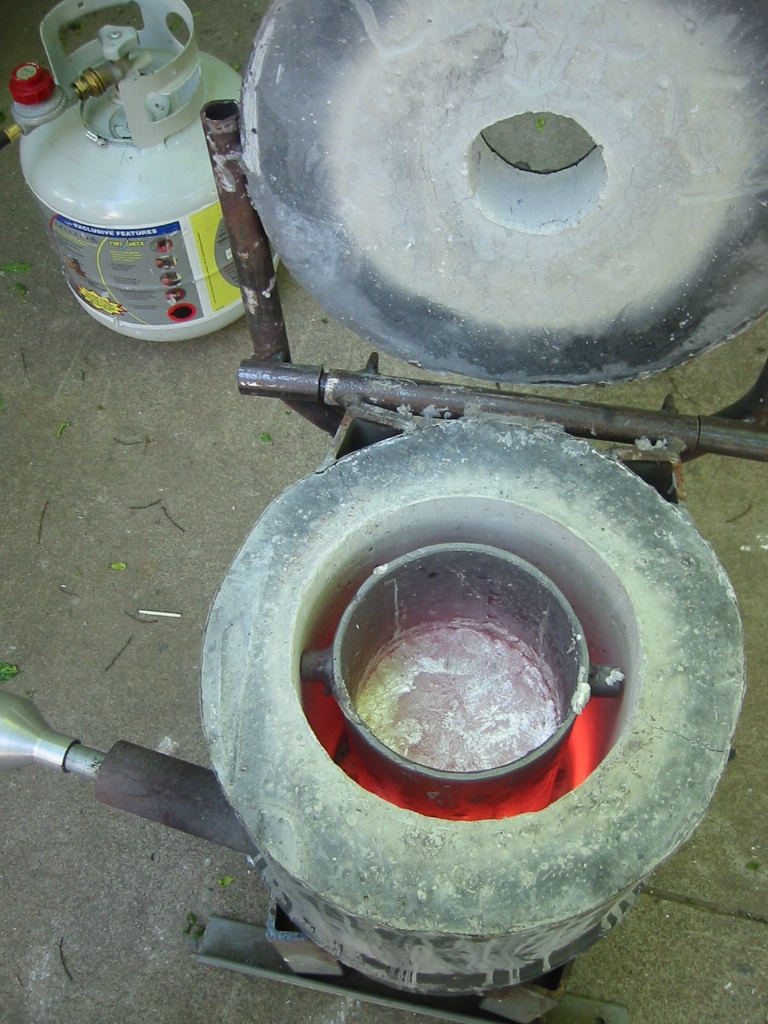
The assimilation of digital twin innovation permits foundries to examine different circumstances without interrupting actual production. This ability promotes an aggressive strategy to maintenance and source management, inevitably lowering waste and decreasing functional costs. Furthermore, the innovation aids in procedure optimization by allowing designers to picture the effects of modifications in real-time, ensuring better end results. Consequently, aluminum foundries embracing electronic twin modern technology are positioned to accomplish higher effectiveness and competitiveness in a progressively requiring market.

Sector 4.0 and IoT Integration
The adoption of electronic twin technology in aluminum foundries becomes part of a wider motion towards Market 4.0, identified by the combination of the Internet of Things (IoT) right into manufacturing procedures. This integration enables real-time monitoring and information collection from numerous equipment and devices, causing enhanced functional performance. Sensors installed in makers collect important information, which is analyzed to optimize production process and forecast maintenance requirements.
IoT tools promote communication between different manufacturing phases, permitting for seamless coordination and minimizing downtime. By leveraging cloud computing, foundries can store and assess vast quantities of data, making it possible for more educated decision-making. This modern technology additionally sustains remote management, where operators can manage processes from anywhere, boosting responsiveness to production obstacles. In general, the combination of Sector 4.0 and IoT within aluminum foundries is transforming typical techniques, making them a lot more dexterous and receptive to market needs.
Often Asked Questions
What Are the Key Advantages of Aluminum Over Various Other Steels?
Aluminum supplies many benefits over various other steels, including its light-weight nature, excellent rust resistance, high thermal and electrical conductivity, pliability, and recyclability, making it a preferred selection for numerous applications throughout multiple sectors. - Aluminum Foundry
Just How Do Modern Foundries Take Care Of Hazardous Materials?
Modern foundries handle harmful materials via rigid safety and security procedures, progressed filtration systems, and recycling approaches. Routine training warranties employees comprehend best techniques, while checking systems identify and reduce prospective threats to keep a safe working setting.
What Is the Typical Life Expectancy of Aluminum Castings?
The regular life expectancy of aluminum spreadings varies from 20 to 50 years, depending upon variables such as environmental problems, use, and maintenance. Proper treatment can extend their durability and performance substantially in time.
Exist Any Type Of Health And Wellness Risks Related To Aluminum Foundry Job?
Yes, aluminum shop job poses wellness Metal Castings threats, consisting of breathing problems from breathing in fumes and dust, skin irritability from contact with molten metal, and prospective exposure to dangerous chemicals. Appropriate precaution are essential to minimize these dangers.
Just How Do Foundries Make Sure Employee Security in High-Temperature Environments?
Factories apply strenuous safety and security protocols, including protective equipment, temperature level tracking systems, and regular training. These steps assure that workers are geared up to take care of high-temperature atmospheres, decreasing risks and promoting a much safer office.
Numerous sophisticated casting techniques have emerged in aluminum foundries, changing typical processes. Sustainable methods in aluminum foundries are progressively concentrated on boosting reusing procedures and embracing environment-friendly casting methods. Numerous foundries are executing closed-loop systems that reuse scrap aluminum created during production, lessening waste and minimizing the requirement for virgin materials. While standard casting techniques frequently involve substantial energy intake and product waste, aluminum foundries are progressively adopting eco-friendly casting strategies that focus on sustainability. While numerous industries are increasingly embracing electronic technologies, aluminum foundries are leveraging digital twin technology to enhance operational performance and maximize production processes.